VR-class

VR CLASSROOM

A space for educating future teachers in the safe environment of virtual reality.

VR CLASSROOM

A space for educating future teachers in the safe environment of virtual reality.

VIRTUAL CLASSROOM

A virtual classroom is a didactic tool that helps teacher training students develop their teaching skills in the safe environment of virtual reality before they enter a real classroom.

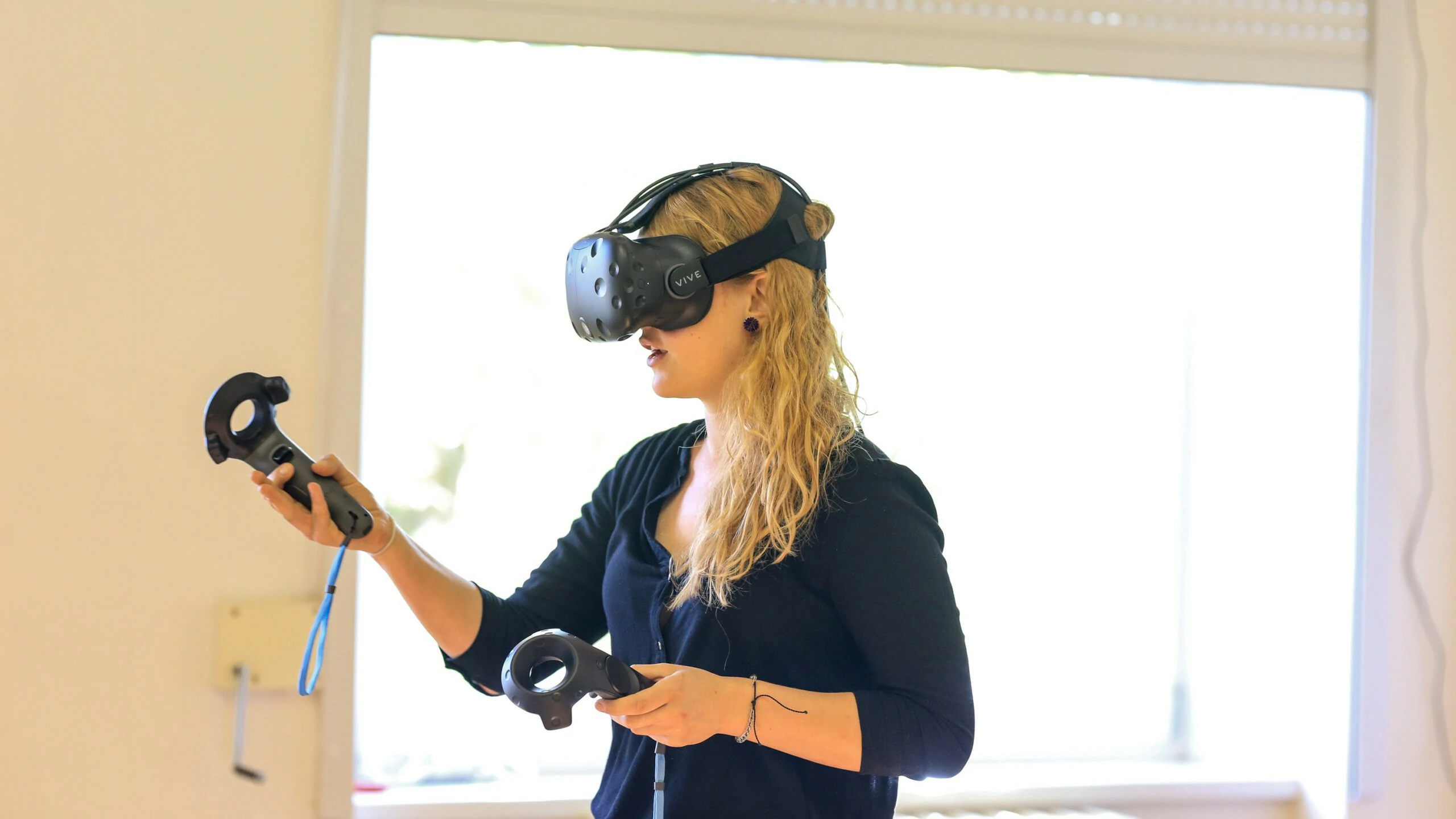
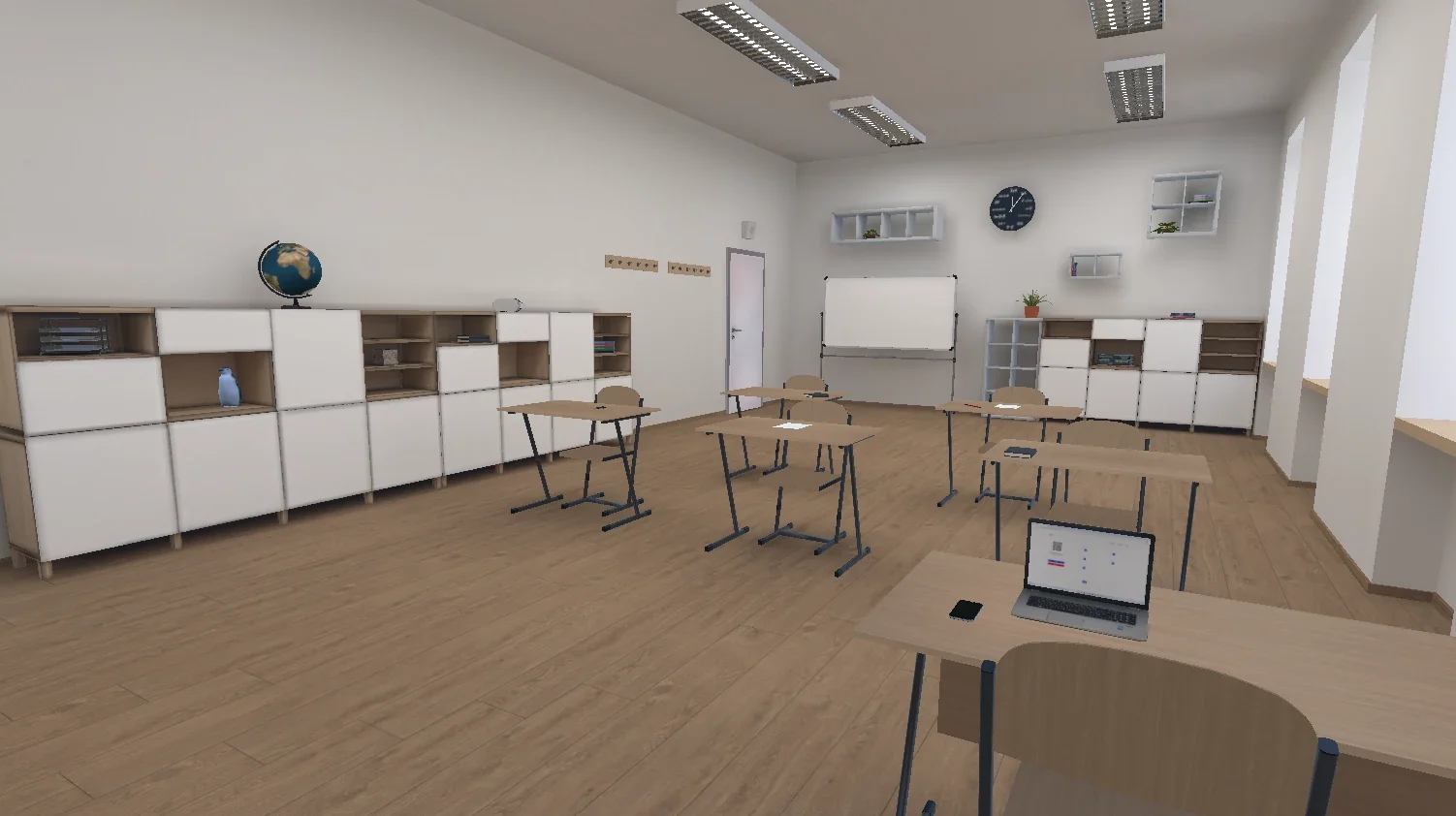
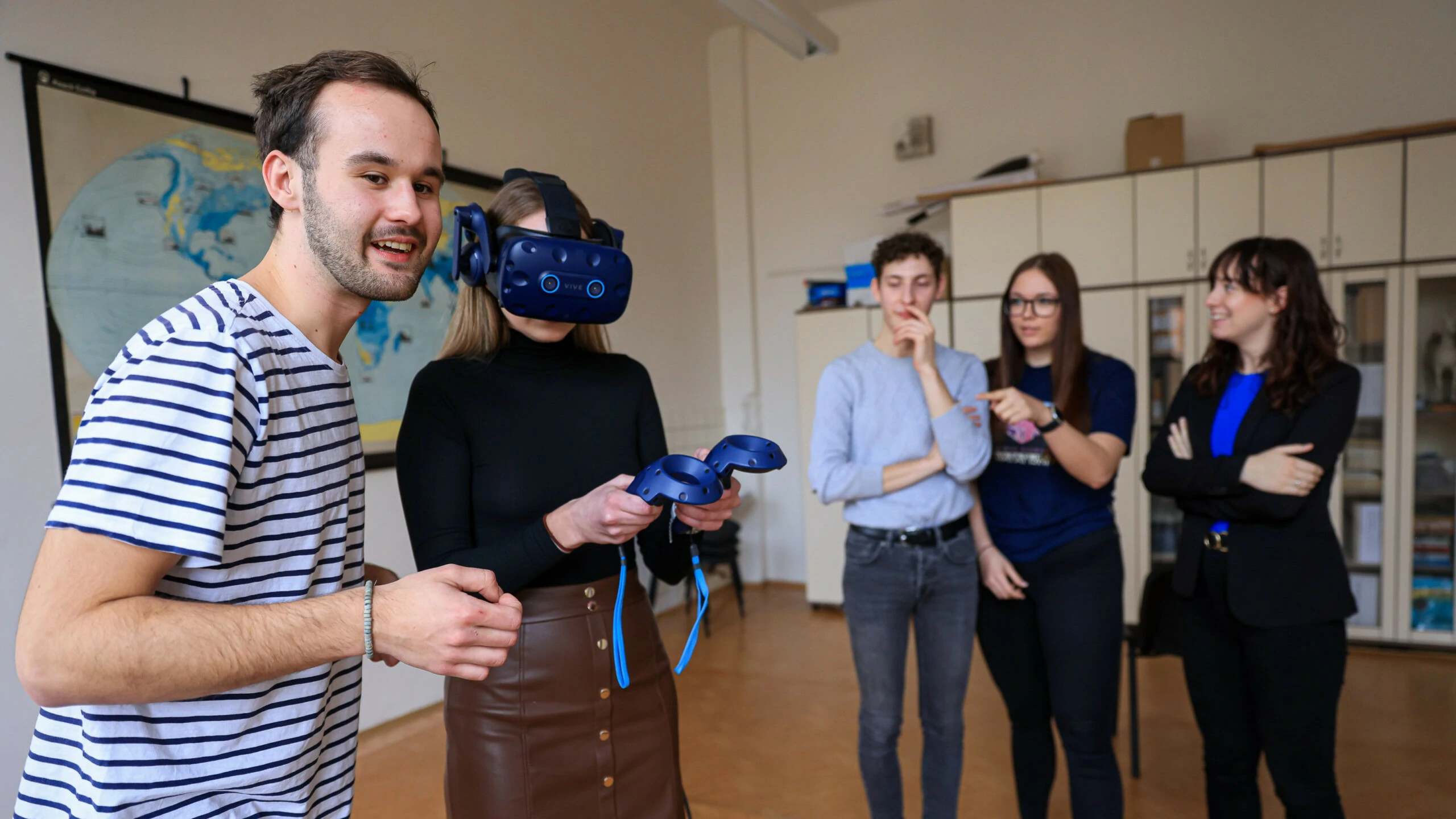
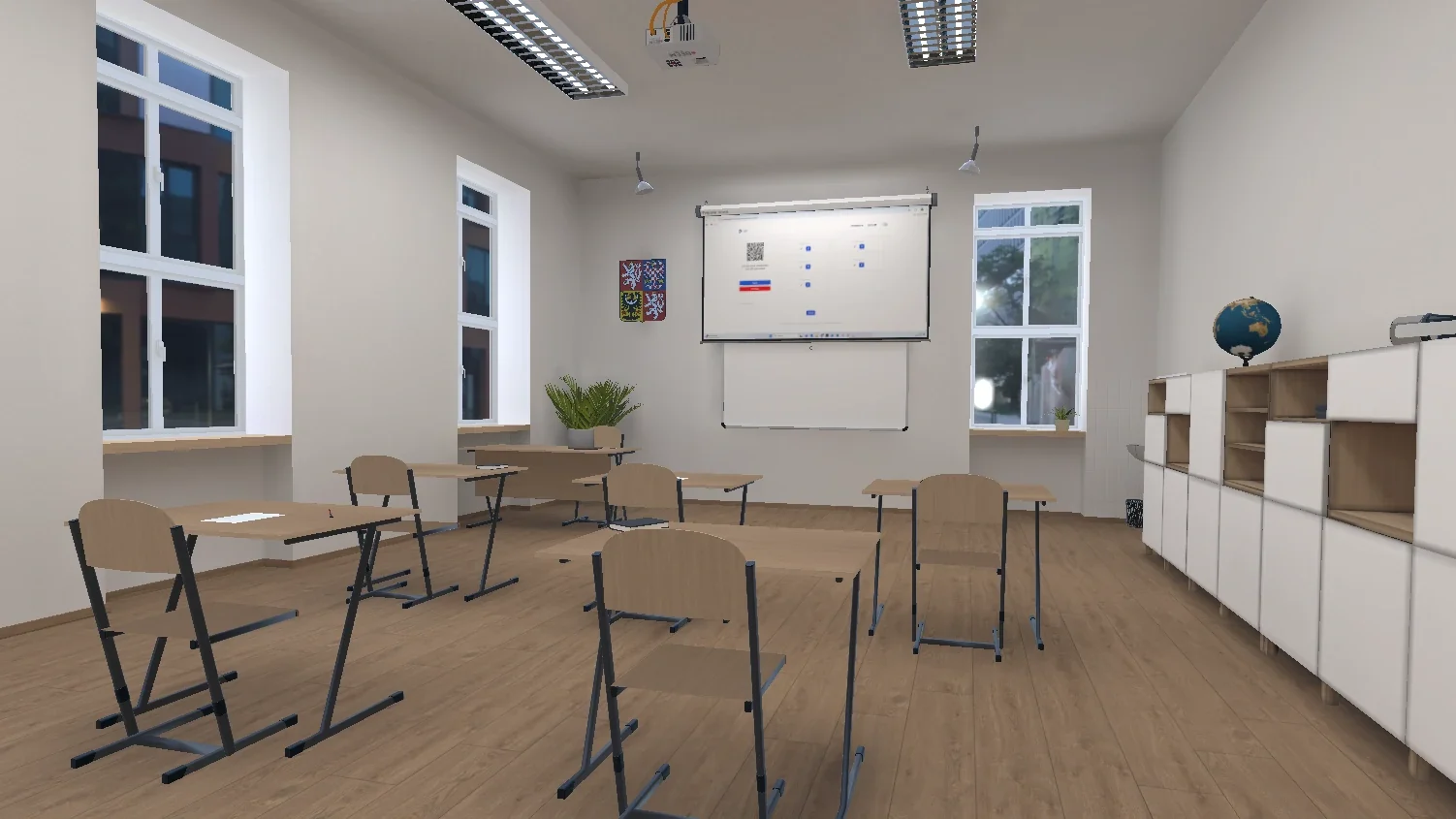
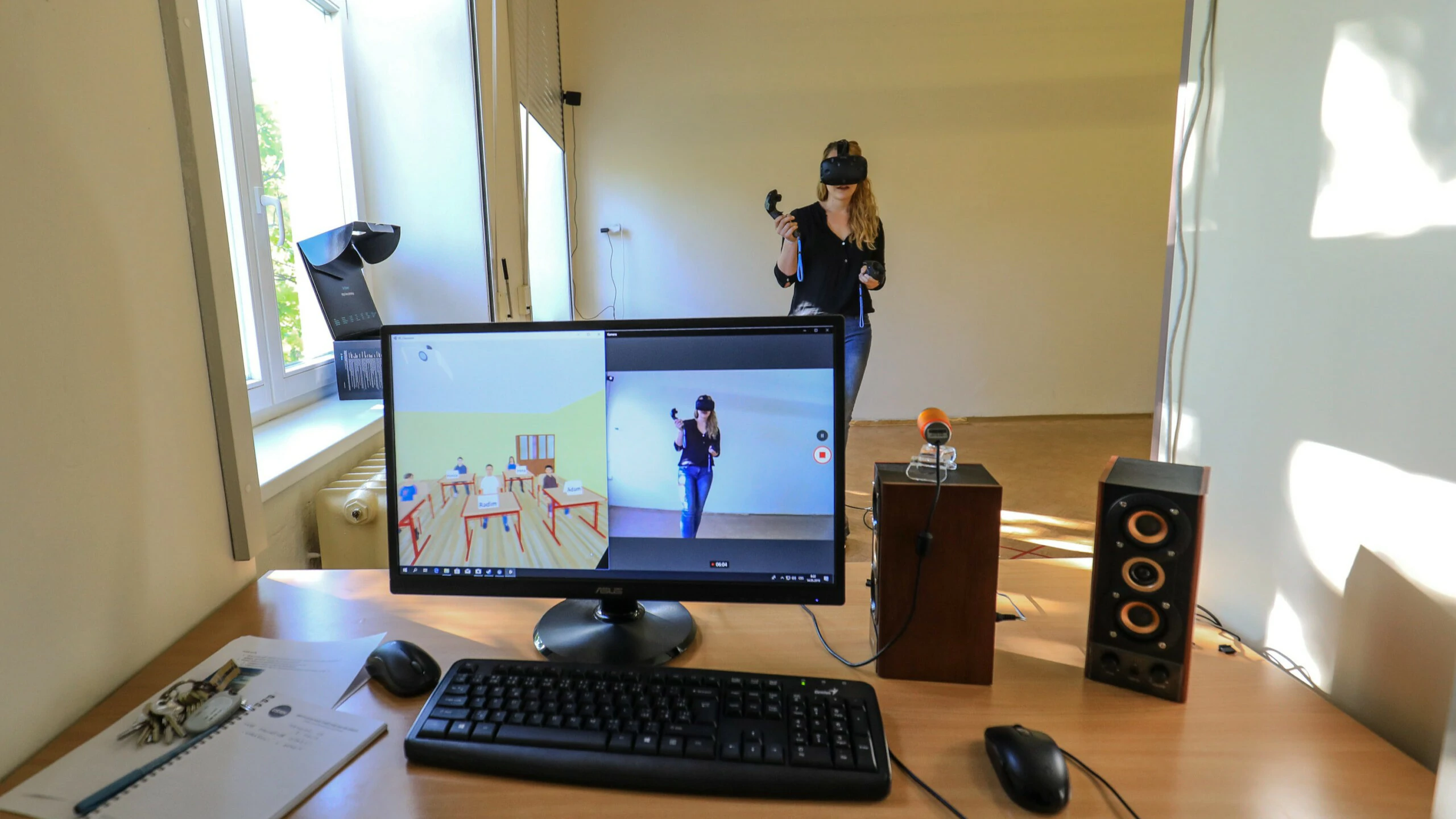
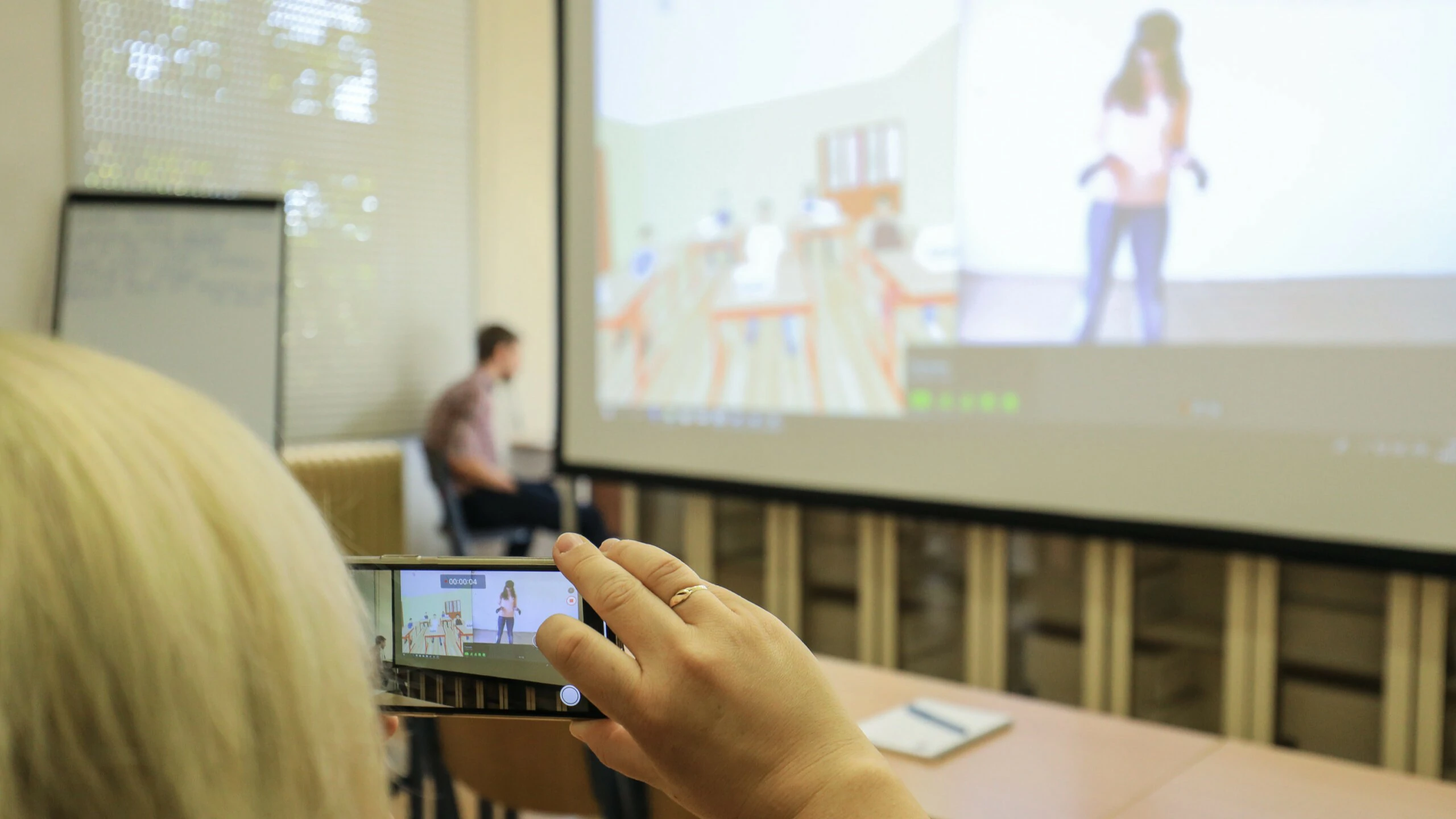
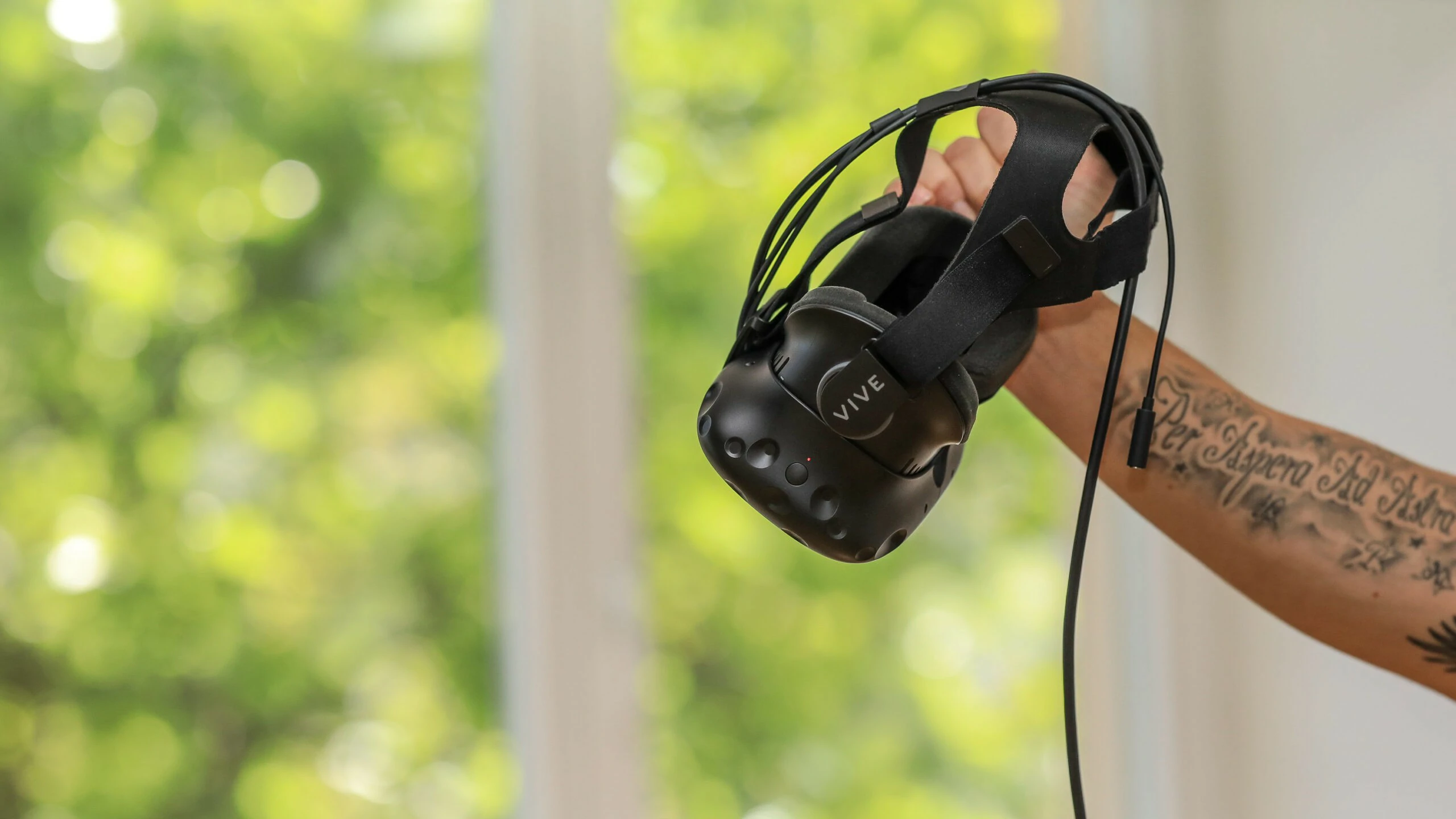
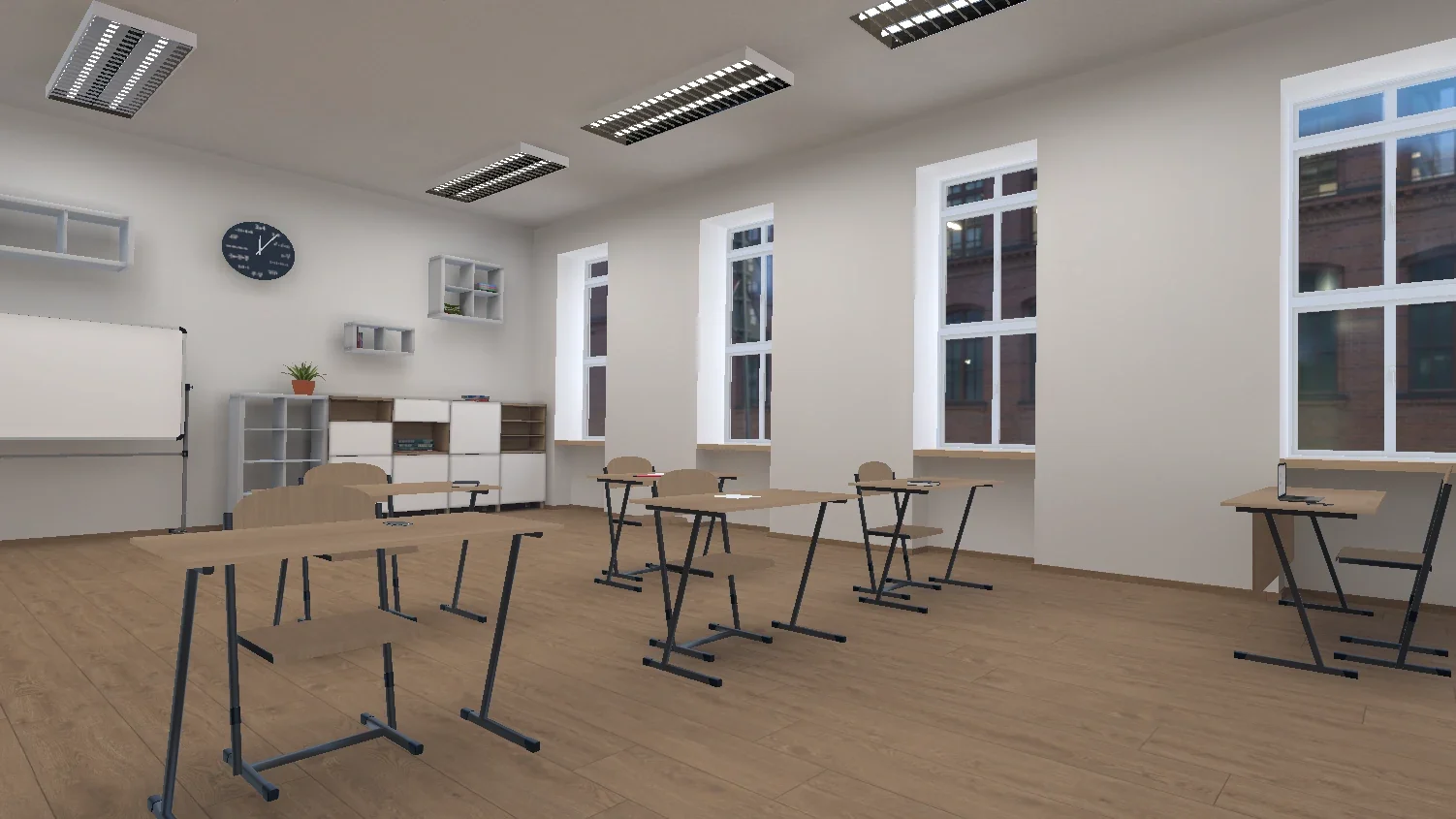
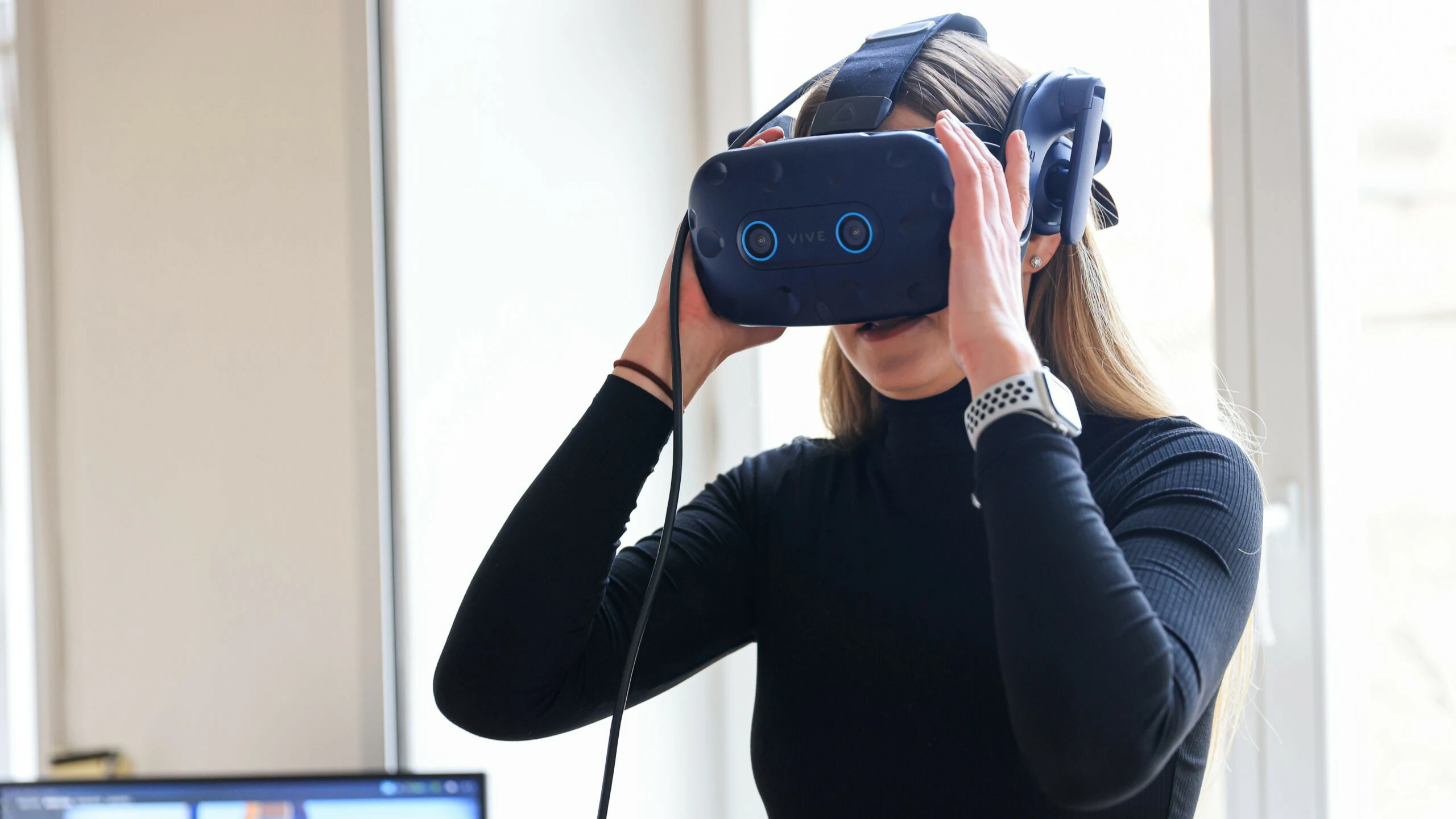
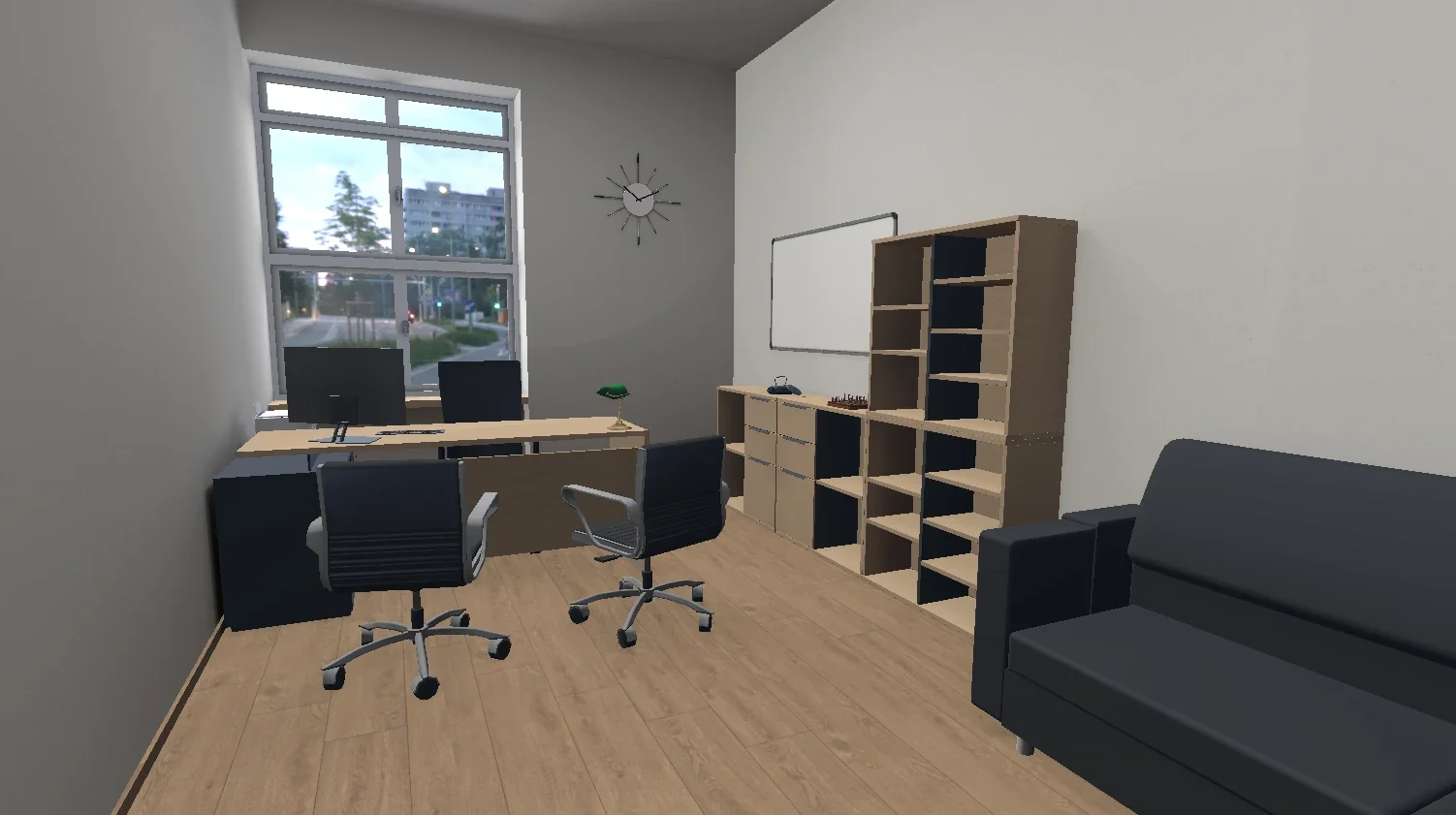
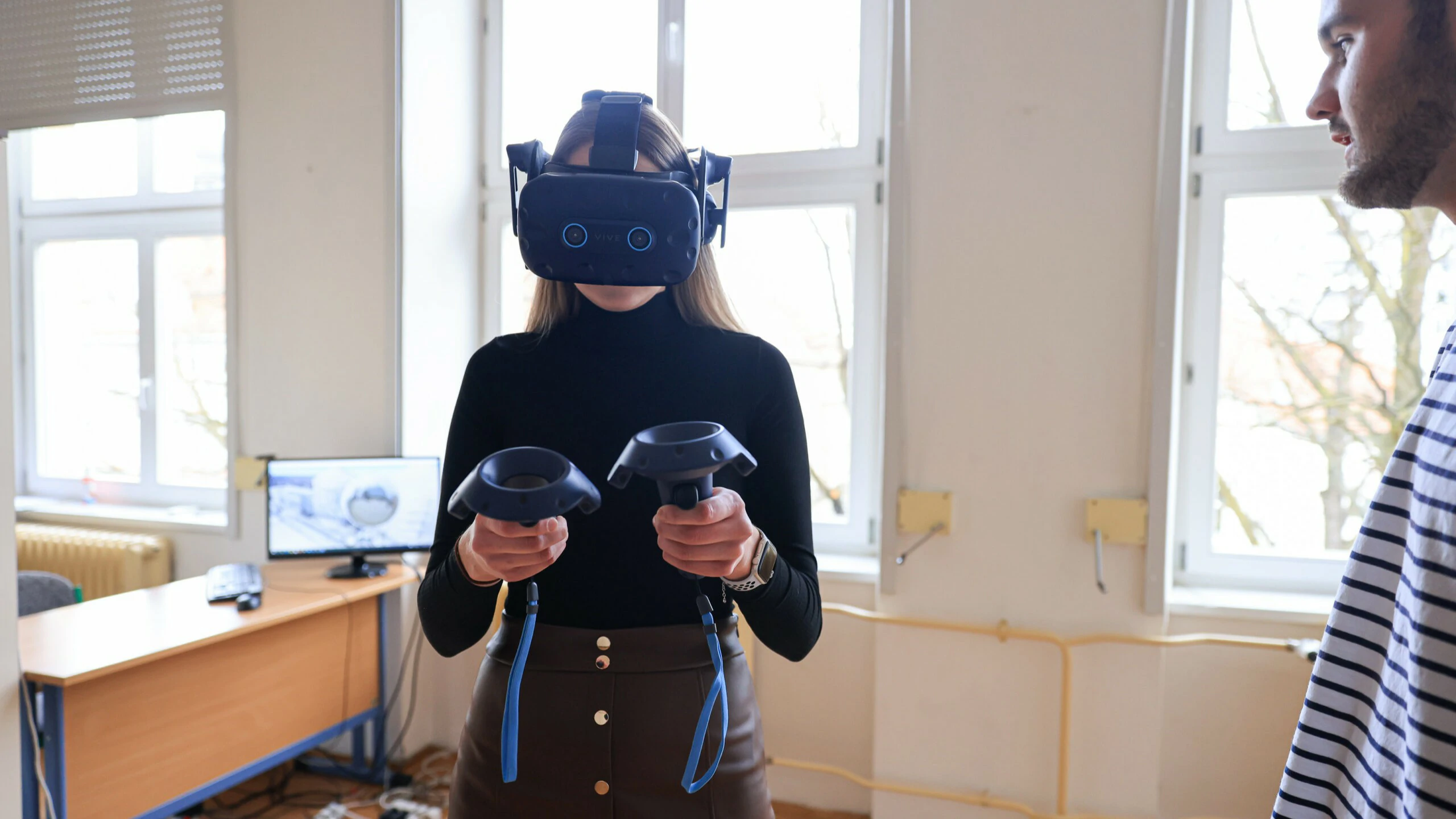
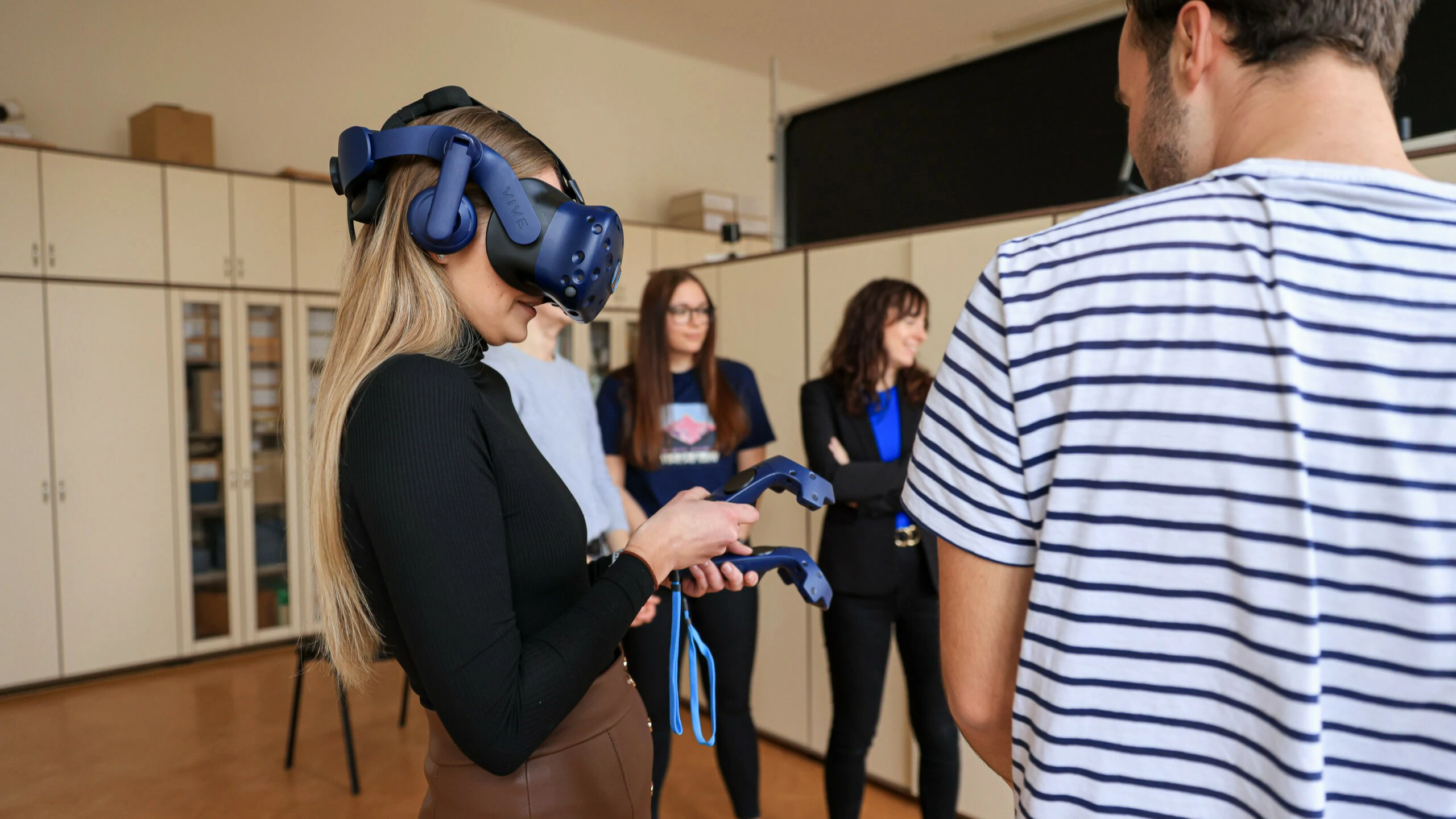
Using 3D glasses and controllers, users find themselves in a model of a real classroom, where they can try out teaching, respond to student behavior, and develop their communication and teaching skills.

The project was developed at the University of West Bohemia in Pilsen thanks to the cooperation of experts from the Faculty of Education and the Faculty of Mechanical Engineering. The virtual classroom expands the possibilities for training future teachers and offers students:


  • the opportunity to learn to teach in a safe environment,
  • confidence when speaking in front of a class,
  • better preparation for real-life situations in the classroom and when communicating with parents,
  • space for reflection on their own performance – with the support of teachers and classmates.

What is a virtual classroom?

What is a virtual classroom?

The virtual classroom is an innovative combination of pedagogy and technology. Students put on VR glasses and find themselves in the role of teacher. A classroom full of avatars responds to their explanations—students raise their hands, discuss, but also disrupt the class.


Students can safely try out:

  • Various teaching strategies and forms of work.
  • Communication approaches to students of different ages.
  • Working with classroom space and group dynamics.
  • Reacting to unexpected or emotionally challenging situations.

What is a virtual classroom?

The virtual classroom is an innovative combination of pedagogy and technology. Students put on VR glasses and find themselves in the role of teacher. A classroom full of avatars responds to their explanations—students raise their hands, discuss, but also disrupt the class.


Students can safely try out:

  • Various teaching strategies and forms of work.
  • Communication approaches to students of different ages.
  • Working with classroom space and group dynamics.
  • Reacting to unexpected or emotionally challenging situations.

From idea to collaboration

Impulzem pro vznik Virtuální třídy byla snaha zkvalitnit praktickou přípravu budoucích učitelů. Praxe ve školách je nenahraditelná, ale časově omezená, a ne vždy dovolí studentovi řešit krizové situace.


Odborníci ze Západočeské univerzity v Plzni proto spojil své zkušenosti a vytvořil nástroj, který dokáže simulovat reálné výukové situace. Společně vytvořili jedinečný projekt, který v českém prostředí nemá obdoby.

  • Didaktici přinesli pedagogický koncept a scénáře.
  • Technici vyvinuli prostředí ve virtuální realitě.

From idea to collaboration

The impetus for the creation of the Virtual Classroom was the desire to improve the practical training of future teachers. Practical experience in schools is irreplaceable, but it is limited in time and does not always allow students to deal with crisis situations.


Experts from the University of West Bohemia in Pilsen therefore pooled their experience and created a tool that can simulate real teaching situations. Together, they created a unique project that is unparalleled in the Czech environment.


  • Educationalists provided the pedagogical concept and scenarios.
  • Technicians developed the virtual reality environment.

From idea to collaboration

The impetus for the creation of the Virtual Classroom was the desire to improve the practical training of future teachers. Practical experience in schools is irreplaceable, but it is limited in time and does not always allow students to deal with crisis situations.


Experts from the University of West Bohemia in Pilsen therefore pooled their experience and created a tool that can simulate real teaching situations. Together, they created a unique project that is unparalleled in the Czech environment.


  • Educationalists provided the pedagogical concept and scenarios.
  • Technicians developed the virtual reality environment.

First version and teaching experiences

The pilot version of the Virtual Classroom was used in teaching geography didactics.

As part of the teaching:

  • They carried out short teaching situations
  • received feedback and space for reflection,
  • monitored how their performance improved.

The Virtual Classroom quickly proved to be a safe space for experimentation that:

  • complements practice in schools
  • helps students connect theory with practice
  • allows them to repeat the same situations and monitor their own progress

First version and teaching experiences

The pilot version of the Virtual Classroom was used in teaching geography didactics.

As part of the teaching:

  • They carried out short teaching situations
  • received feedback and space for reflection,
  • monitored how their performance improved.

The Virtual Classroom quickly proved to be a safe space for experimentation that:

  • complements practice in schools
  • helps students connect theory with practice
  • allows them to repeat the same situations and monitor their own progress

Current developments

The virtual classroom is constantly evolving. As part of the projects we have acquired, we are currently developing:

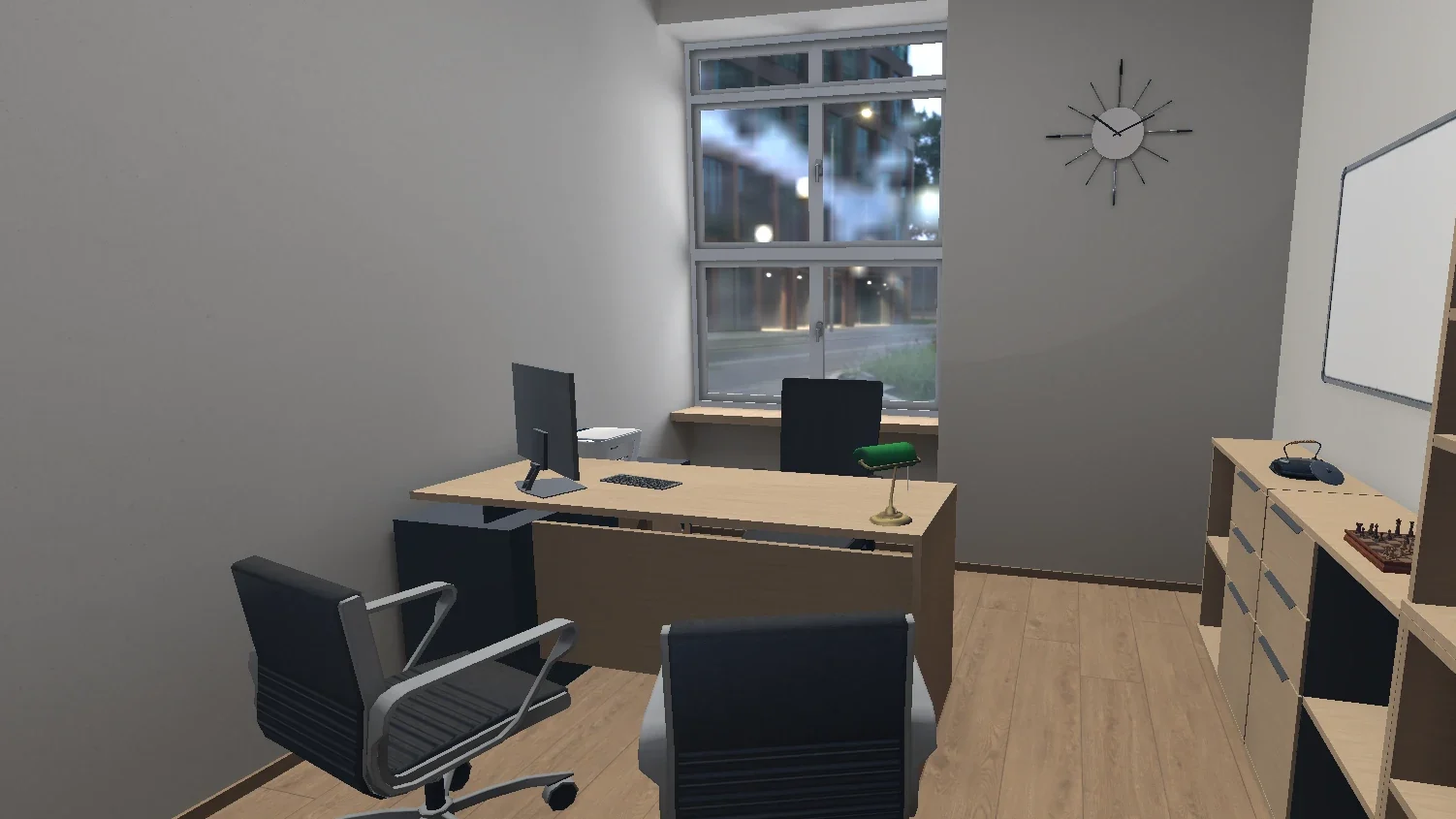
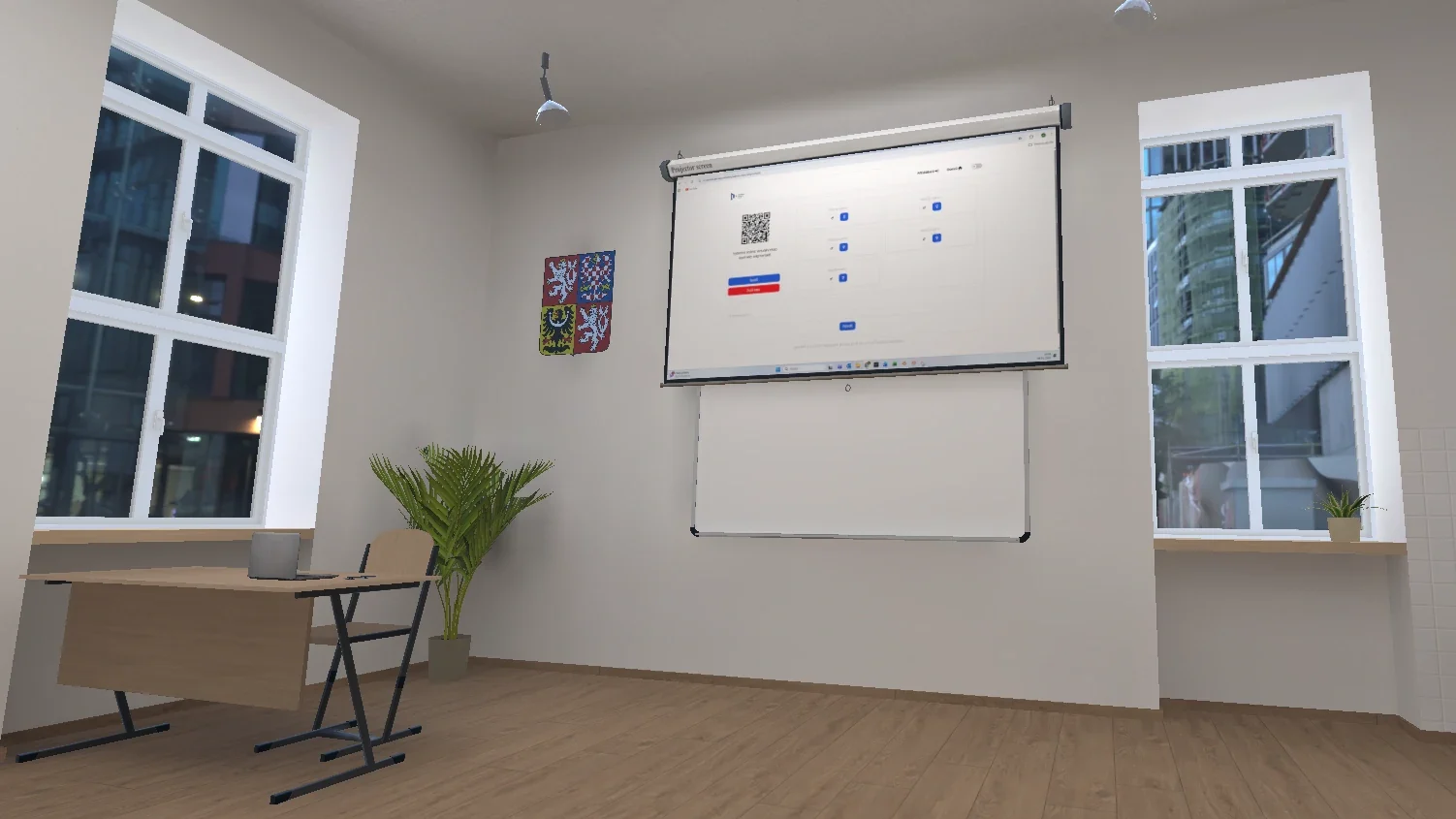
  • a new, realistic classroom model based on a real school classroom
  • new graphics for virtual student avatars
  • expanded teaching scenarios for different situations and subjects
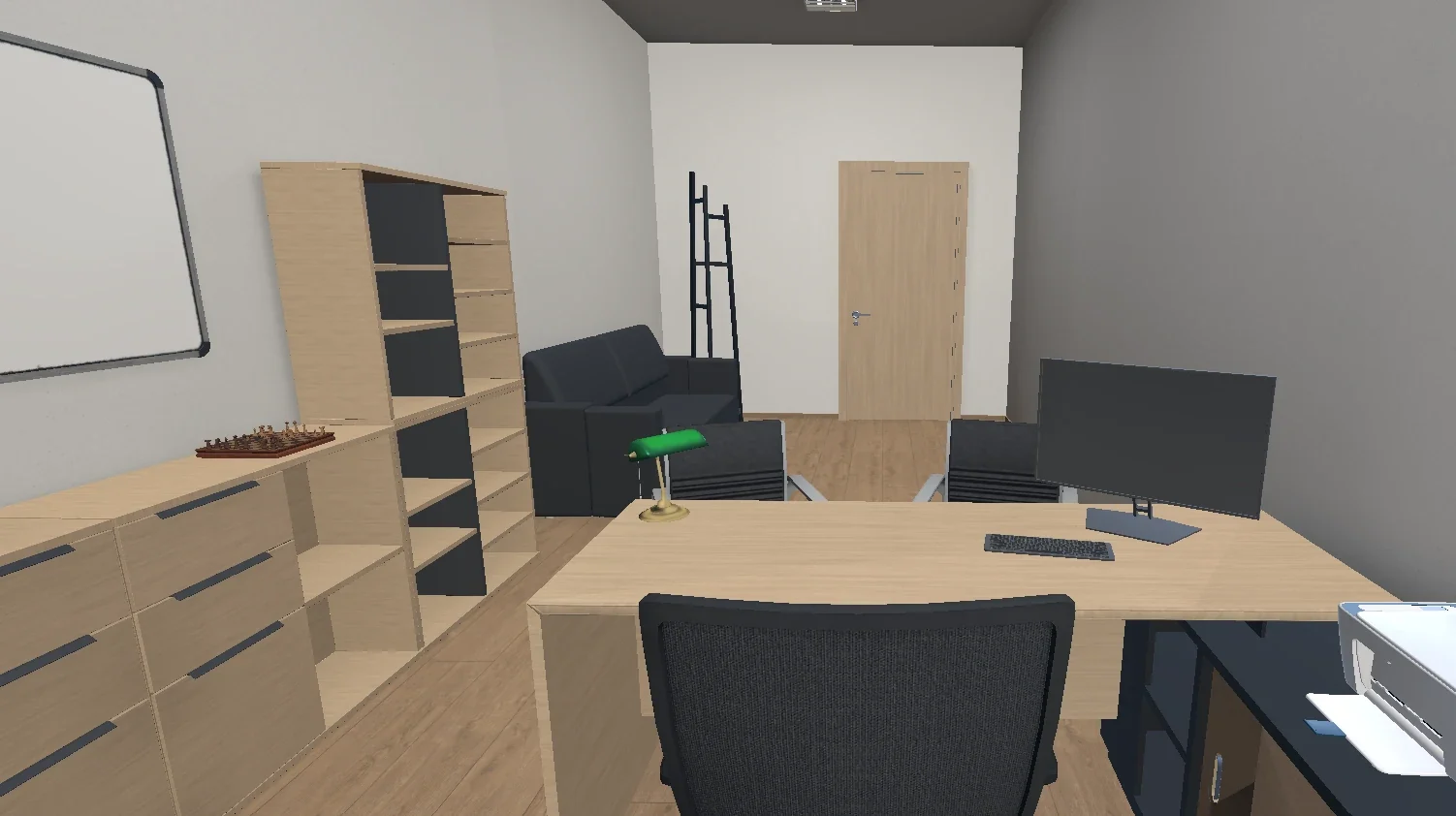
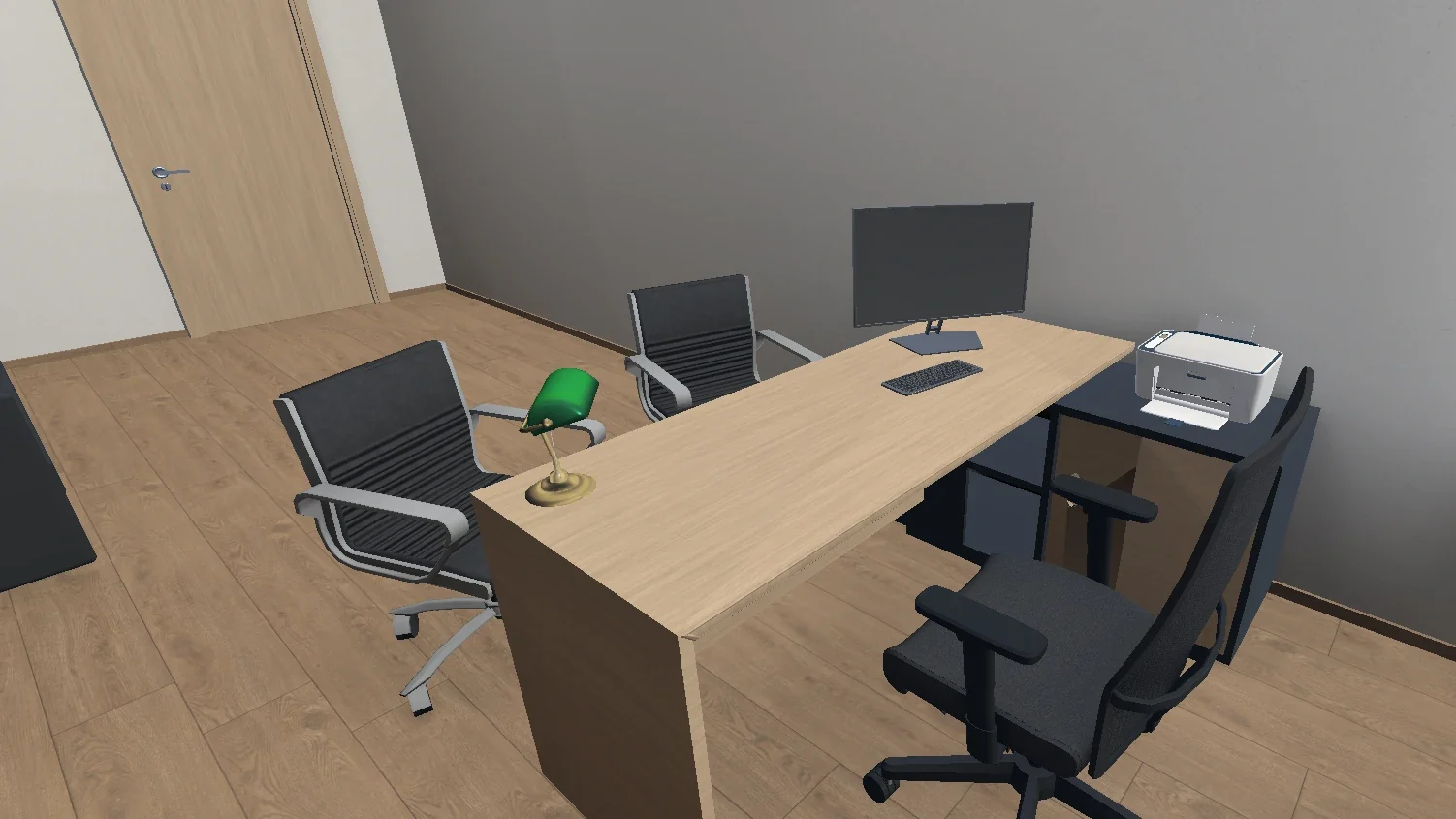
  • scenarios focused on communication with parents, such as simulations of parent-teacher conferences.

The development team includes technical developers, municipal and subject-specific educators, psychologists, doctors, doctoral students, and students who are working together to find new ways to make the best use of virtual reality in teacher training.

Current developments

The virtual classroom is constantly evolving. As part of the projects we have acquired, we are currently developing:

  • a new, realistic classroom model based on a real school classroom
  • new graphics for virtual student avatars
  • expanded teaching scenarios for different situations and subjects
  • scenarios focused on communication with parents, such as simulations of parent-teacher conferences.

The development team includes technical developers, municipal and subject-specific educators, psychologists, doctors, doctoral students, and students who are working together to find new ways to make the best use of virtual reality in teacher training.

Current developments

The virtual classroom is constantly evolving. As part of the projects we have acquired, we are currently developing:

  • a new, realistic classroom model based on a real school classroom
  • new graphics for virtual student avatars
  • expanded teaching scenarios for different situations and subjects
  • scenarios focused on communication with parents, such as simulations of parent-teacher conferences.

The development team includes technical developers, municipal and subject-specific educators, psychologists, doctors, doctoral students, and students who are working together to find new ways to make the best use of virtual reality in teacher training.

Where we are headed

Today, the Virtual Classroom is a platform for teaching, research, and innovation in teacher training. In the future, we plan to expand it with new teaching scenarios and personalized feedback features.


Our goal is for the Virtual Classroom to help teacher training students develop professional confidence, practical skills, and the ability to learn from their own experiences—before they enter a real classroom.

Where we are headed

Today, the Virtual Classroom is a platform for teaching, research, and innovation in teacher training. In the future, we plan to expand it with new teaching scenarios and personalized feedback features.


Our goal is for the Virtual Classroom to help teacher training students develop professional confidence, practical skills, and the ability to learn from their own experiences—before they enter a real classroom.

Research and publications

The science behind the game

The main goal of the team in the early years was primarily to create a functional tool and test it in teaching. Despite this, we managed to present the concept and results of partial research at a number of Czech and international conferences.

The science behind the game

The main goal of the team in the early years was primarily to create a functional tool and test it in teaching. Despite this, we managed to present the concept and results of partial research at a number of Czech and international conferences.

What did we discover?

Virtual reality does not solve everything, but when it comes to training for demanding or sensitive situations, it offers clear benefits. Our research to date has revealed several key findings:

What did we discover?

Virtual reality does not solve everything, but when it comes to training for demanding or sensitive situations, it offers clear benefits. Our research to date has revealed several key findings:

High learning efficiency:

VR significantly enhances memory and experience. It allows you to practice situations ranging from classroom management to communicating with parents.

Uncovering hidden weaknesses:

A controlled environment reveals shortcomings that would remain hidden for a long time in normal practice.

Motivation vs. Limits:

Participants rate the experience as highly motivating and realistic. At the same time, we recognize the need to address technical limitations such as cyber sickness and to work with VR as a supplement to, rather than a replacement for, traditional practice.

High learning efficiency:

VR significantly enhances memory and experience. It allows you to practice situations ranging from classroom management to communicating with parents.

Uncovering hidden weaknesses:

A controlled environment reveals shortcomings that would remain hidden for a long time in normal practice.

Motivation vs. Limits:

Participants rate the experience as highly motivating and realistic. At the same time, we recognize the need to address technical limitations such as cyber sickness and to work with VR as a supplement to, rather than a replacement for, traditional practice.

Pre-Service Teacher Training In The Virtual Classroom: Pilot Study (2019)

  • An article in the DisCo conference proceedings, where we first presented the virtual classroom and the conclusions from the pilot testing.

Využití virtuální reality při přípravě budoucích učitelů geografie (2020)                

  • An article in a peer-reviewed journal describing the use of the virtual classroom in the training of future geography teachers.

Pre-Service Teachers’ Immersive Experience in Virtual Classroom (2021)

  • An article in the proceedings of the Research and Innovation Forum conference, describing the current state of the virtual classroom, its use, and challenges for the future.

Application of the Methodology of Communication Skills Training for Employees of Hotel Companies, Based on Immersion into the Virtual World (2022)

  • An article in a peer-reviewed journal describing one of the virtual classroom modules focused on the development of communication skills.

Innovating in the Tourism Industry Through Virtual Reality (VR) and Education in the Hotel Business: VR-Enhanced Three-Phase Future Hotel Staff Training (2022)

  • An article in a peer-reviewed professional journal describing one of the virtual classroom modules focused on developing communication skills.